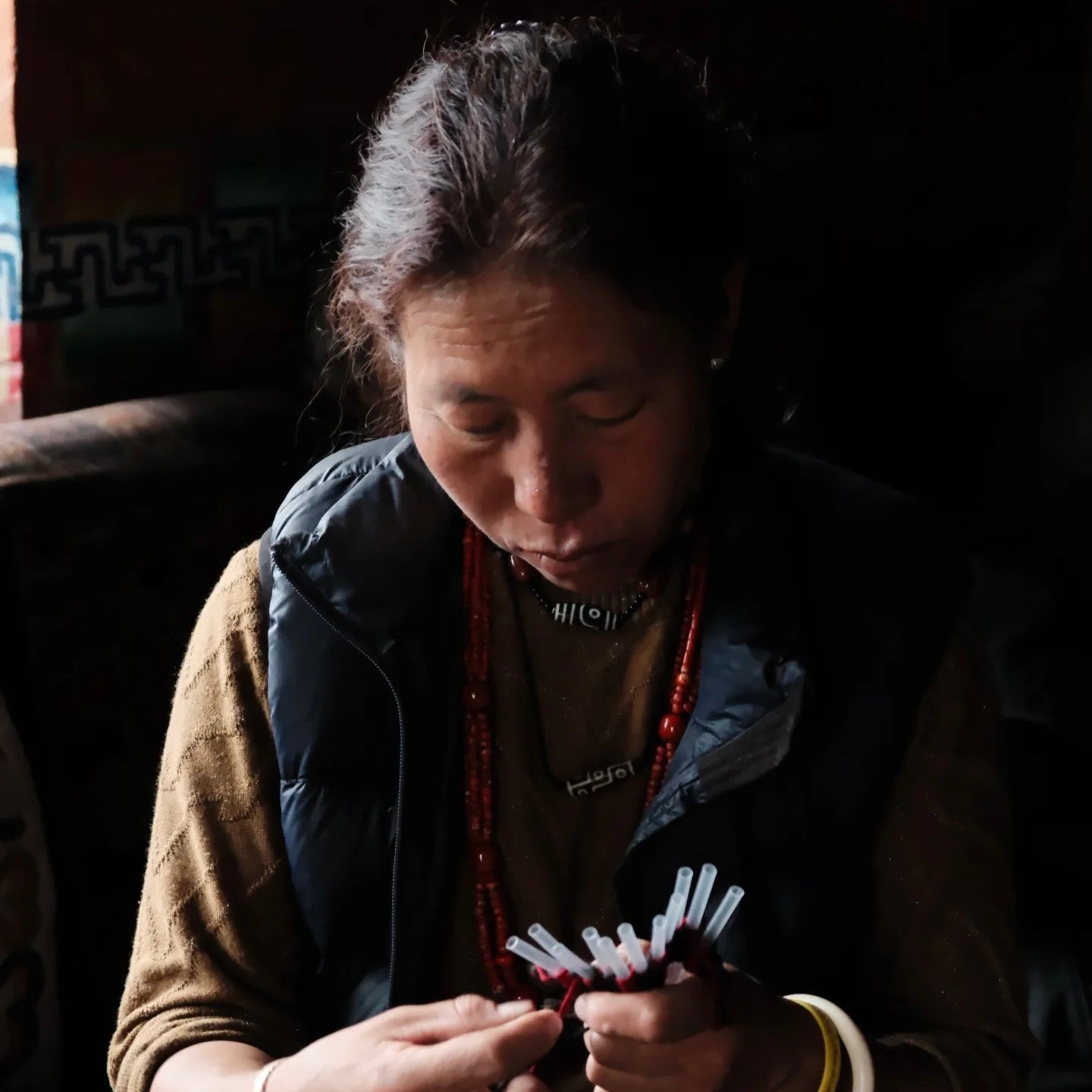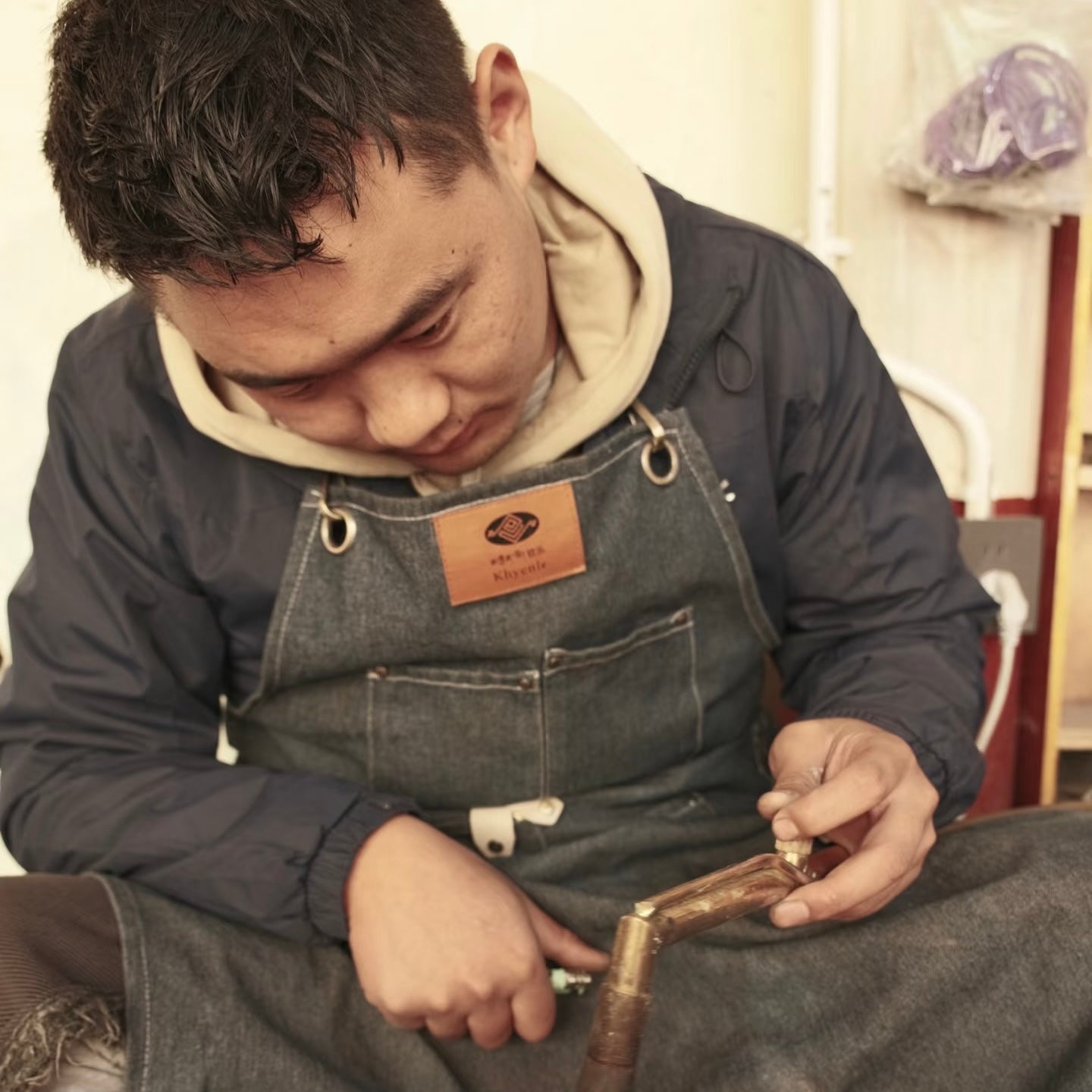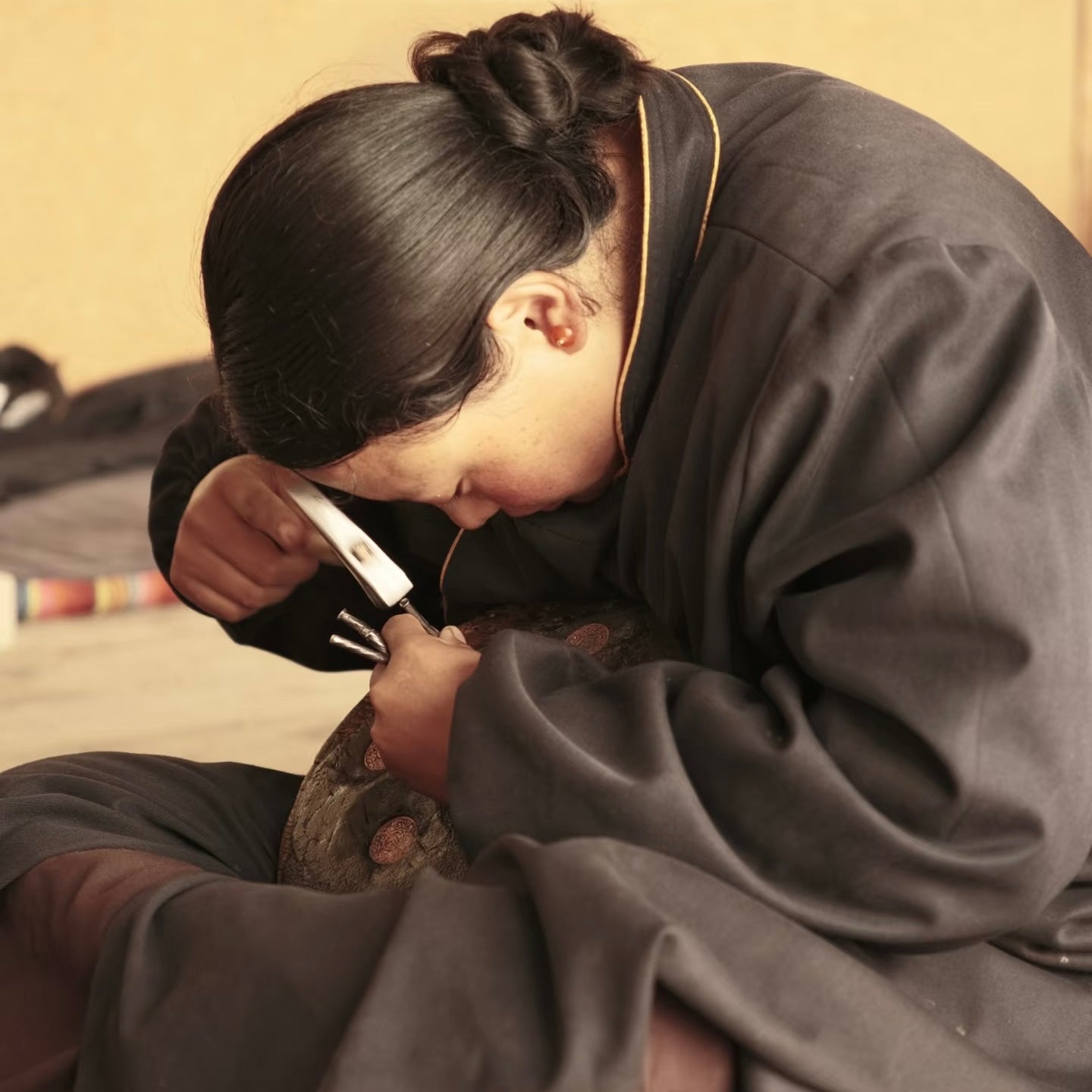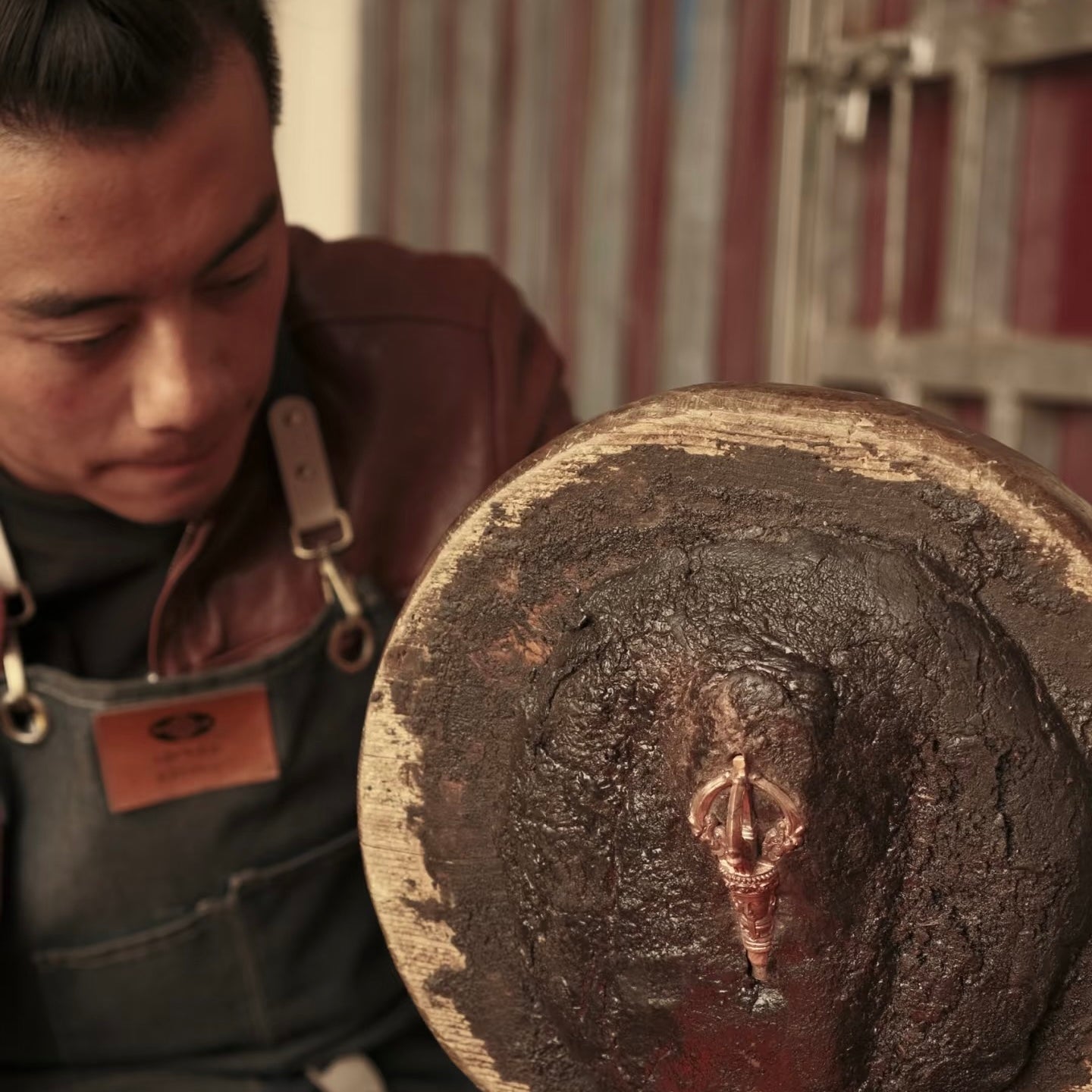
Light, texture, natural form.
 Potala Karma

Weekly 001 · English · 8 pages

Monthly archive · English edition · 12 pages · Early edition

Monthly archive · English edition · 12 pages

Monthly archive · English edition · 12 pages

Monthly archive · English edition · 12 pages

Monthly archive · English edition · 12 pages
Weekly cultural features. Free to read.
Read on this page · English · Monthly archive preserved


 Special pricesCurrent offer Prices as shownNo code needed. Current prices are shown on each item.
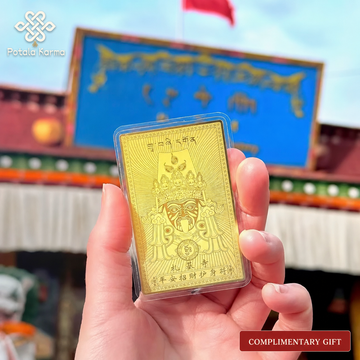
 Gold card + one amuletGift value
 One-to-one divinationGift value
 12 monthly deity reportsGift value
 Master’s Jewelry BlessingView the jewelry consecration video and full details.
First qualifying paid physical order. Repeat purchases extend monthly reports.
Dzi Yak Bone Bracelet · HAND-FINISHED
Size: 10 mm
Only 1 available
Quantity: 1
Couldn't load pickup availability
These are optional paid services, separate from your physical item. See each service for its location, timing and completion details. Complimentary Karma benefits follow their own eligibility rules.
Services are performed on your behalf; no physical service item is shipped. Final discounts are confirmed at checkout.


Potala Karma



Care in every detail
Our agate comes from the Mount Kailash mountain range in Ngari, Tibet. We source it from local collectors.
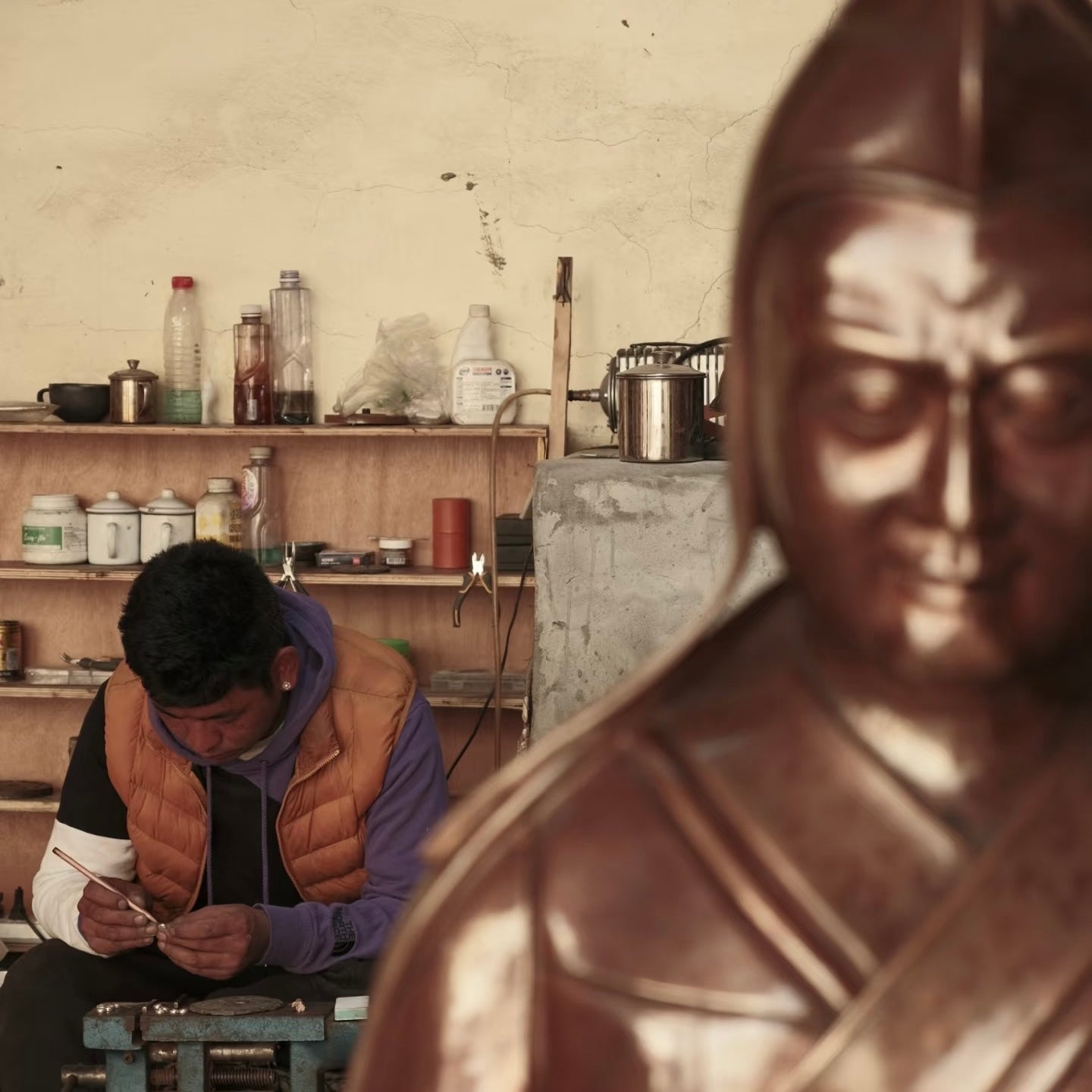
After sourcing the agate, our own artisans craft it into Dzi beads, giving care to the natural stone and each detail of the finished piece.
These are the symbolic meanings we share with our pieces; interpretations vary across traditions.
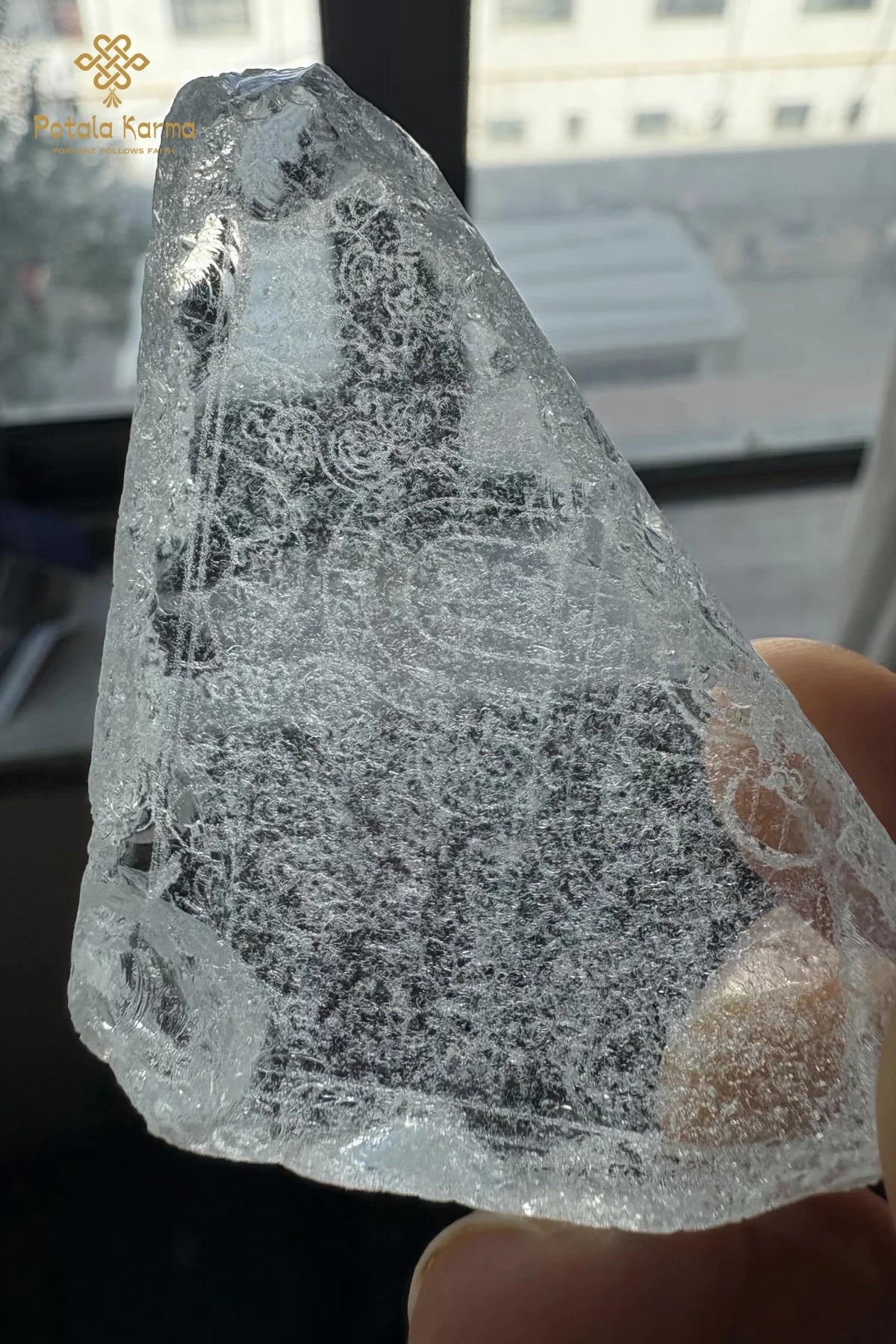
Our artisans use an etched-pattern technique: designs are drawn onto the agate, then developed through treatment and firing. Natural stone and carefully worked patterns come together in each bead.
Yes. After each artwork is completed, it must receive a blessing from our Master Tenzin before leaving our workshop and making its way to you, carrying our wishes for peace and well-being.
Avoid knocks, drops, sudden temperature changes, perfume and cleaning chemicals. Wipe gently with a soft, slightly damp cloth, then dry. Care for silver and other companion materials separately, and check cords and connections regularly for wear.
Chongsaikang · Lhasa
A glimpse of the people and bead culture of Chongsaikang, Lhasa.


Dzi · Form & meaning
A three-eye Dzi-style bead and pale yak-bone accents make this bracelet a warm emblem of discernment, a wish to bring patience to the choices that shape daily life.
Three questions are written in the margin of a notebook: What matters? What can wait? What comes next? The focal bead becomes an imagined place to keep those questions before answering them.
Bead tone, surface marks, bone color, cord tension, and spacing may vary slightly. These small differences are part of beadwork made from natural and hand-finished materials.
In Himalayan ornament traditions, the three-eye Dzi motif is often linked in folk stories with balance, clarity, and auspicious direction. Yak bone is also used in Tibetan-style craft as a material connected with plateau life and durable everyday wear.
Keep away from prolonged water, perfume, sweat, and harsh chemicals. Wipe gently with a soft dry cloth after wearing and store separately to protect the bead surface and cordwork.

Meaning · Material · Care
Free standard shipping, no minimum, to eligible checkout destinations. Processing: 2–5 business days; standard transit: usually 10–20 business days after dispatch. Times are estimates. Duties and import fees are not included.
Eligible physical items: request a return within 14 days of delivery. Longer statutory rights remain unaffected.
Materials: Agate, Yak Bone
Keep away from prolonged moisture, heat, and harsh chemicals. Wipe gently with a dry soft cloth.
Traditional intentions: Protection, Wealth, Luck
Symbols: Three-Eye Dzi
Meanings are shared as cultural traditions and personal beliefs, not as guaranteed outcomes.


The dZi Note
Across Himalayan cultures, dZi beads may be carried as objects of memory, family, and personal meaning. Their stories differ by place and by person. Read the cultural note behind the form.
We began with a simple intention: to offer pieces worth keeping close. Our approach is to choose stones with care, looking at their individual grain, colour and character, and to give equal attention to the craft around them — the balance of a composition, the feel of a cord and the finish of each detail. We value thoughtful selection over uniformity, and workmanship that lets the material speak. From the first choice of stone to the final presentation, our aim is a piece that feels considered, personal and made to stay with you.
 Yak Bone 108 Mala with Dzi Bead
 Agate Dzi Bead Multi-Strand Necklace
 Nine-Eye Dzi Bead Necklace with Ox Bone & Copper Pendant
 Cinnabar-Style Dzi Bead Bracelet
 Gold-Tone Eye-Motif Bead Necklace
 Kumbu Tiger Tooth Dzi Bead & Amber Beaded Necklace
 Tiger Tooth Dzi Focal Bead Cord Bracelet
 Tiger Tooth Dzi Braided Bracelet with Cinnabar-Tone Accents
 Om Mani Padme Hum Amulet Pendant Dzi Bead & Bodhi Seed Necklace
 Six-Eye & Tiger Tooth Dzi Bead Necklace
Six ways into the collection.


The hand is the lineage
A working roster of the collective behind the craft.